Wisdom teeth are one of the most common reasons patients visit oral surgeons — and for good reason. These third molars often cause pain, crowding, and infection if they don’t erupt properly. At Waccamaw Oral Surgery, we specialize in the safe, effective removal of wisdom teeth using advanced surgical techniques and personalized sedation options.
Led by Dr. Lucia Covington, DMD, OMFS, our Murrells Inlet team provides gentle, expert care for teens, young adults, and adults with impacted or problematic wisdom teeth.

Wisdom teeth, also known as third molars, are the last set of permanent teeth to erupt — typically between the ages of 17 and 25. While some people never develop wisdom teeth or have enough room for them to come in normally, most patients experience problems due to lack of space in the jaw.
When there’s not enough room, wisdom teeth can become impacted, meaning they’re trapped under the gum or bone — leading to pain, swelling, infection, or damage to nearby teeth.
To minimize complications, Dr. Covington often recommends early removal, ideally between ages 15 and 18, before full root development occurs. This allows for easier surgery, faster healing, and fewer long-term issues.
If you’re experiencing any of the following symptoms, it may be time to evaluate your wisdom teeth:
Even if you aren’t in pain, impacted wisdom teeth can cause silent damage over time, including cysts, bone loss, or decay in adjacent teeth. That’s why proactive removal is often recommended.
An impacted tooth is one that doesn’t fully emerge through the gumline or comes in at an angle. There are several types of impaction:
We’ll begin with a thorough consultation, including your medical history, current medications, and level of anxiety. Your sedation plan is customized just for you — ensuring safety, comfort, and peace of mind.
Pre-operative consultation with X-rays to assess impaction and root development
Sedation or local anesthesia administered based on your comfort level
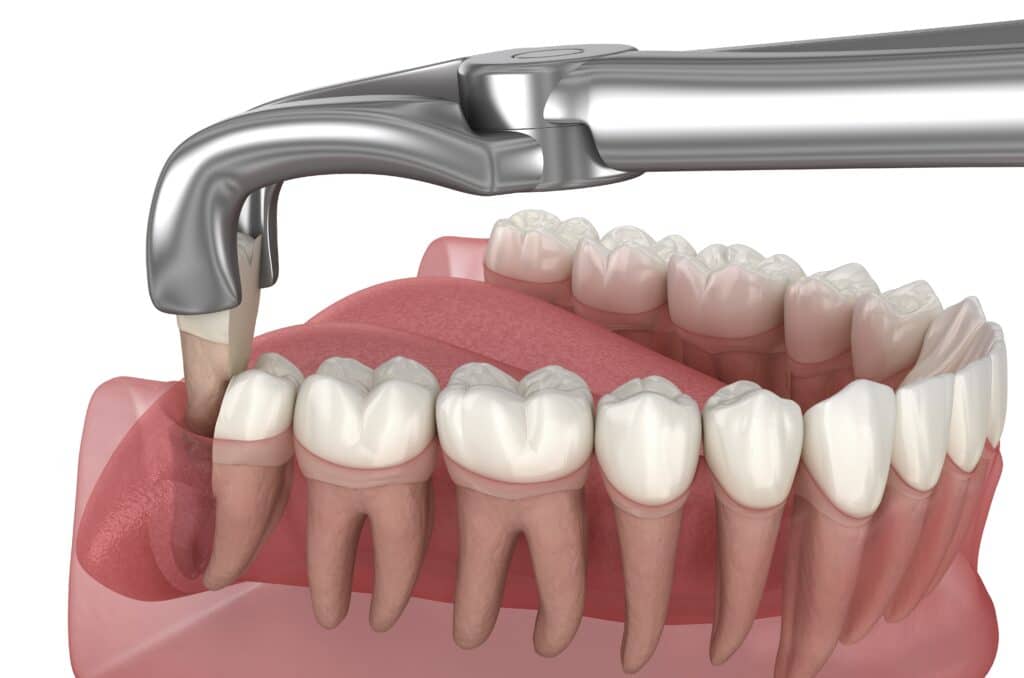
Small incision made to expose the tooth (for impacted cases)
Sectioning of the tooth, if needed, for easier removal
Thorough cleaning of the socket to remove debris or infection
Sutures and gauze placement to aid healing and stop bleeding
You’ll be given detailed aftercare instructions and follow-up support to ensure a smooth recovery.
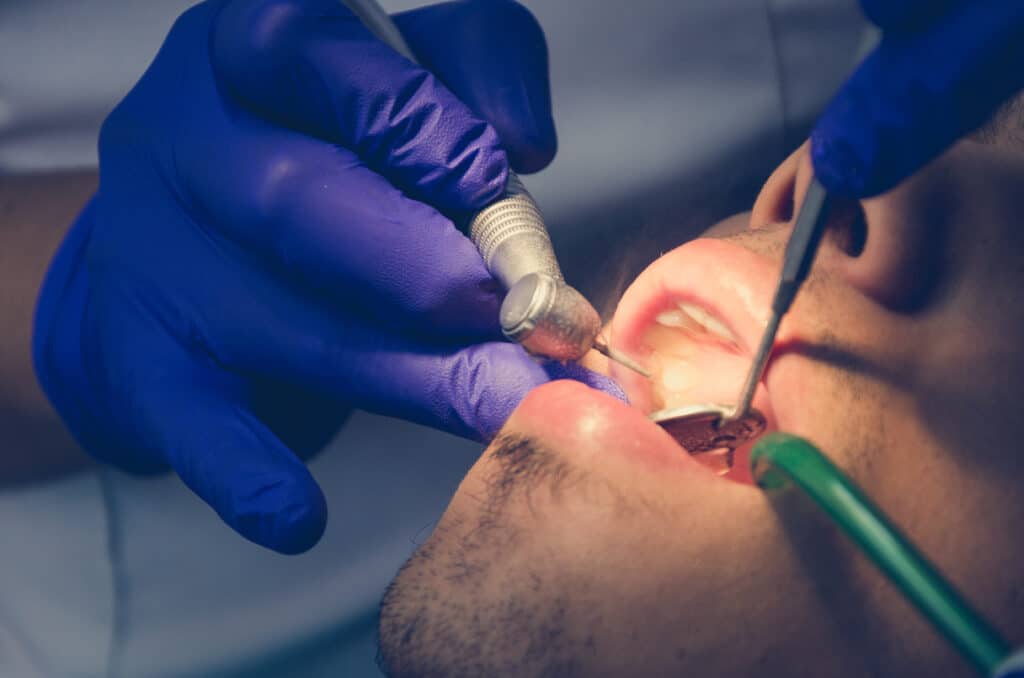
We offer several options to ensure your procedure is stress-free:
Dr. Covington will help you decide which option is best for your case, medical history, and level of anxiety.
Wisdom tooth removal is often covered by dental or medical insurance, especially when impaction is involved. We’ll verify your coverage and walk you through any out-of-pocket costs.
Need help with financing? We offer CareCredit to help break treatment into affordable monthly payments.

Most patients recover quickly after wisdom tooth removal — with discomfort managed through medication, ice packs, and soft foods.
We’ll provide clear post-op instructions, including:
If bone grafting or multiple extractions are performed, your follow-up plan will be adjusted accordingly.
Don’t wait for pain or infection to force your hand. Whether you’re planning ahead or dealing with discomfort now, Waccamaw Oral Surgery is here to help you take the next step with expert, compassionate care.